Whitbread Creative Operations | AI-Enabled Studio Transformation
Embedding AI into studio workflows to increase speed, consistency and operational resilience.
Issue
As creative demand increased across multiple brands and channels, the studio faced growing pressure to deliver more at pace while maintaining brand consistency and governance. AI tools were rapidly emerging as potential accelerators, but without structure, they risked inconsistency, compliance exposure and uneven adoption.
The challenge was not simply introducing AI, but embedding it responsibly into operational workflows in a way that enhanced quality, protected brand standards and supported team capability.
Insight
Technology only creates value when it is integrated into a process and adopted with confidence. AI could improve speed and ideation, but without clear guardrails and structured rollout, it would create fragmentation rather than efficiency.
Successful transformation required three things: clarity of purpose, controlled implementation and team ownership.
AI needed to become an operational enabler, not a novelty.
Idea
I led a structured AI integration programme within the studio, beginning with a workflow audit across briefing, research, ideation, production and quality assurance. We identified repeatable tasks, bottlenecks and areas of cognitive load where AI could responsibly enhance efficiency.
Clear principles were defined around brand governance, data handling and approval protocols to ensure compliance and consistency.
Selected tools were introduced in a phased rollout:
ChatGPT was embedded into briefing development, insight generation and concept exploration, accelerating early-stage thinking while maintaining human oversight.
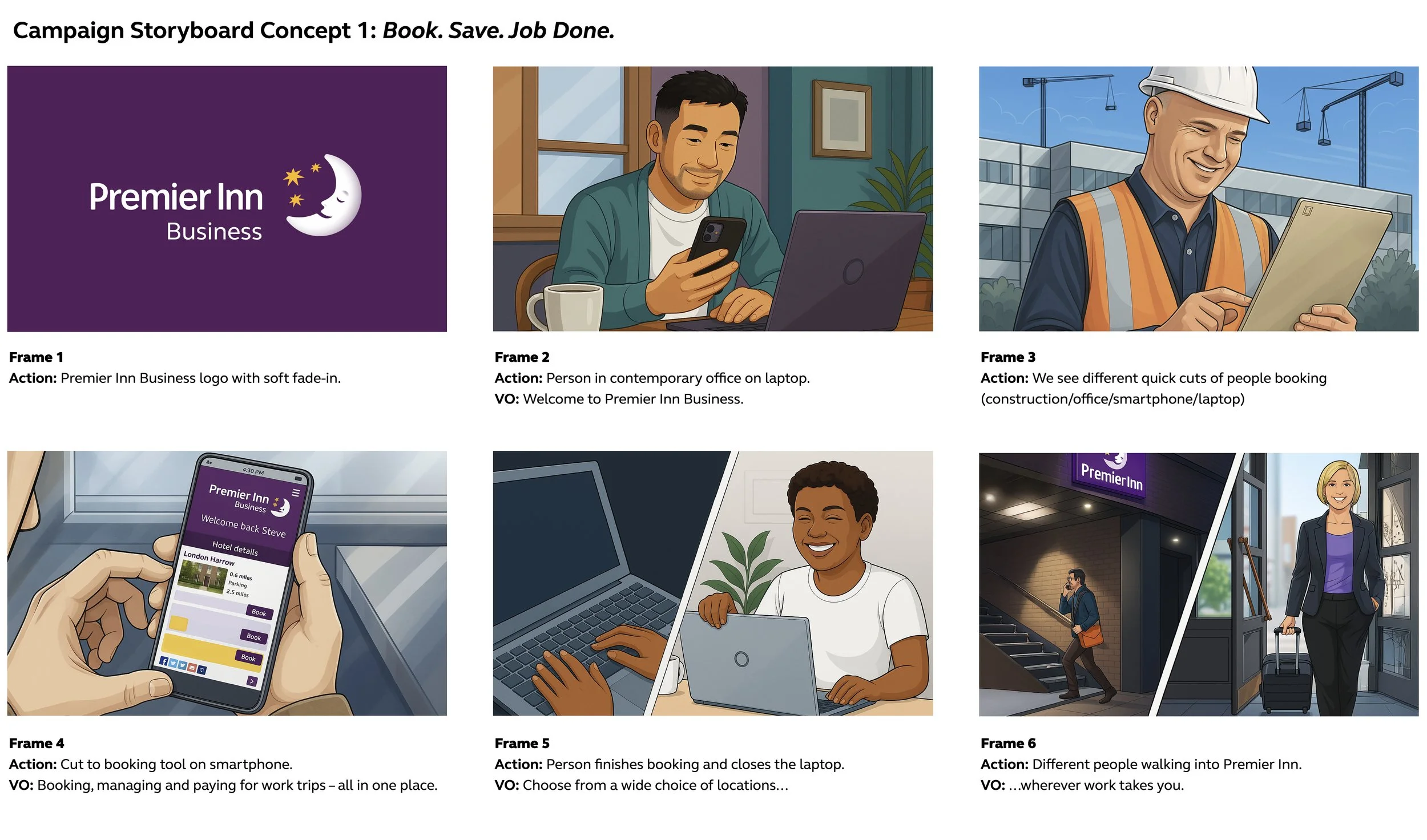
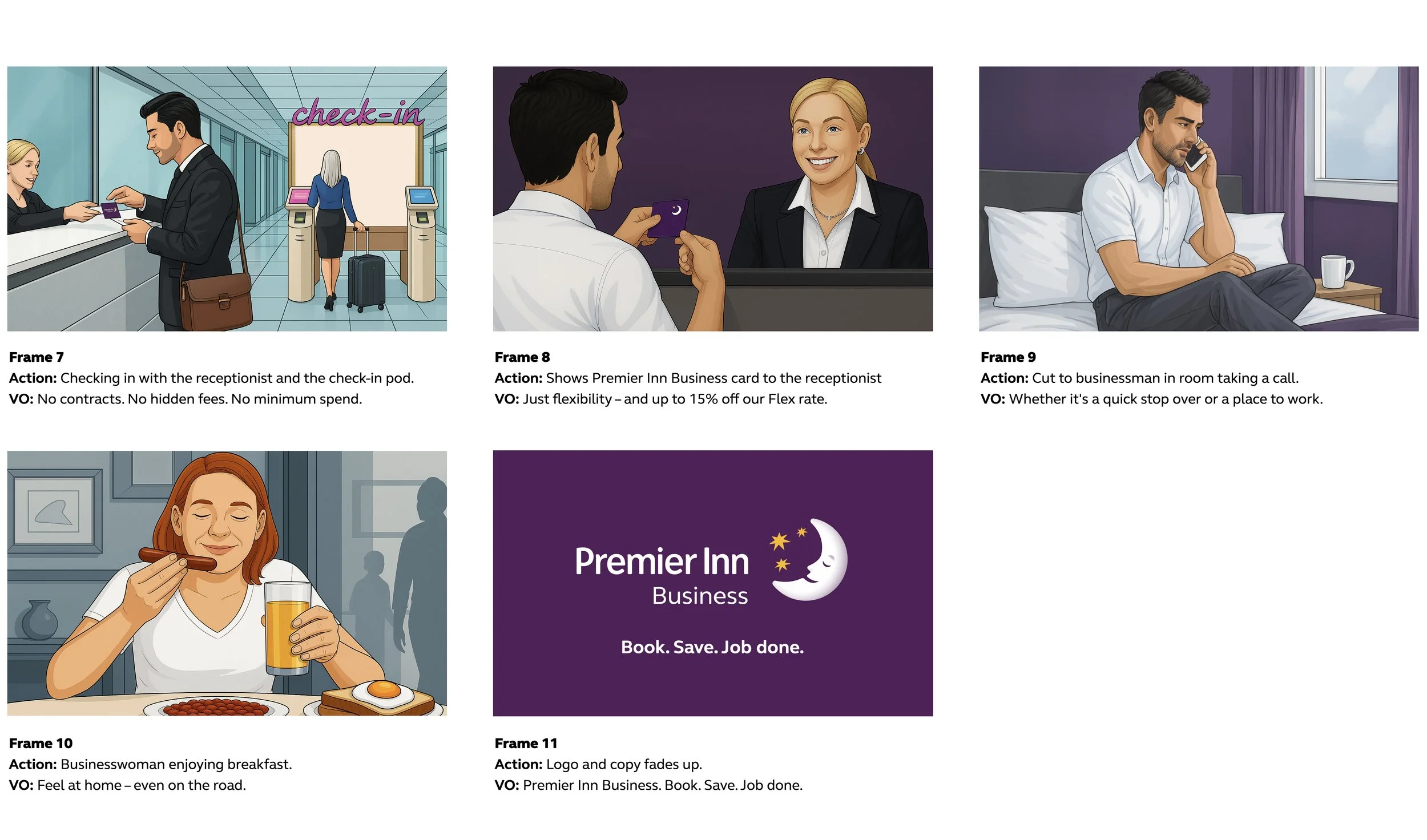
Photoshop with Firefly-enhanced visual prototyping, enabling faster scamp creation, environment testing, and production-ready asset refinement.
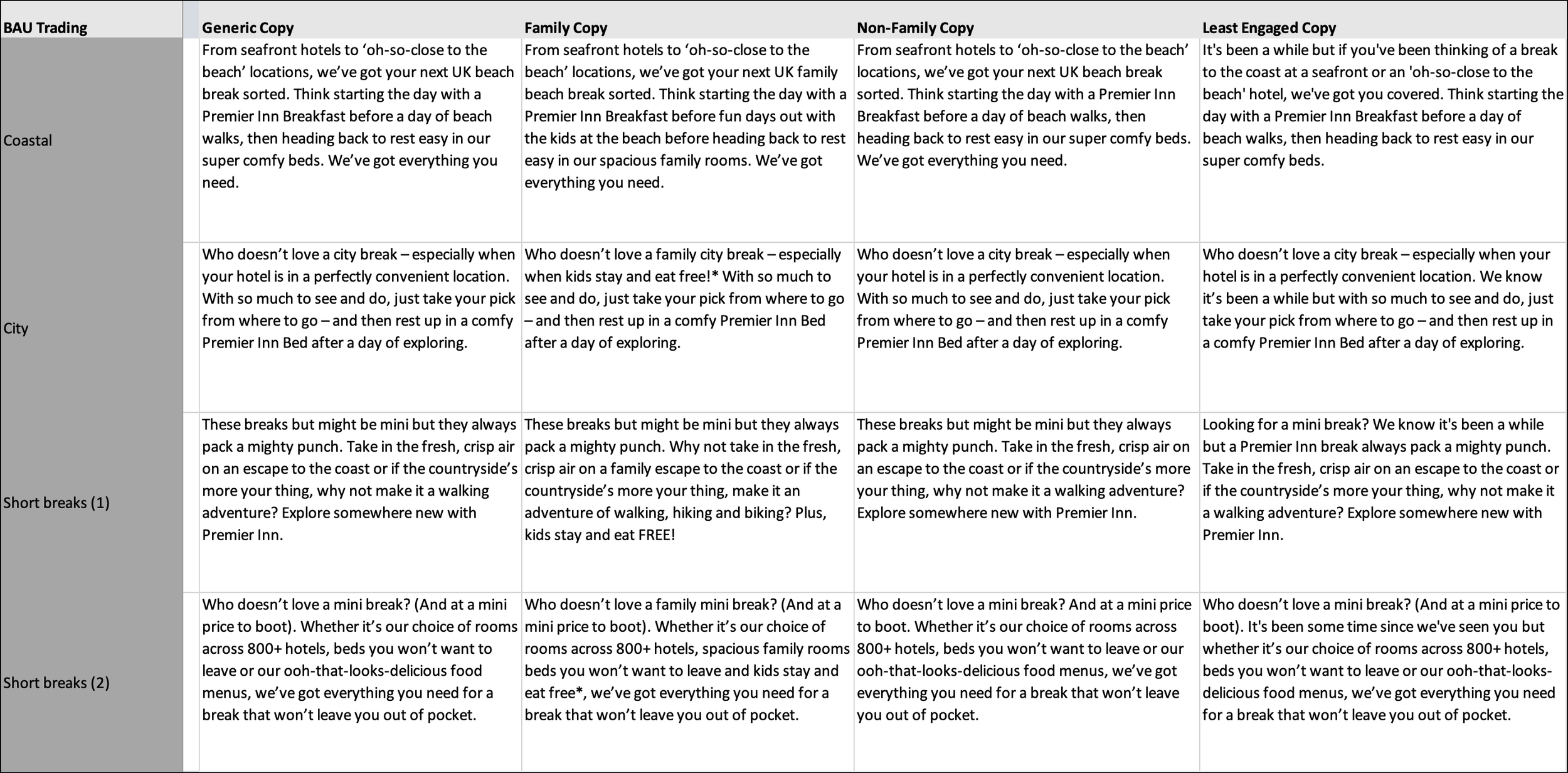
Grammarly supported copy development and rationales, improving clarity and reducing review cycles.
Workshops, pilot projects and shared prompt libraries ensured adoption was collaborative and controlled. AI became integrated into existing sprint workflows, maintaining visibility and accountability.
Impact
AI integration improved speed-to-market and reduced production friction without compromising quality or governance. Concept development cycles shortened, early-stage ideation became more expansive and production efficiency increased across formats.
The studio strengthened its capacity without increasing headcount, improving utilisation and operational resilience during peak demand.
Most importantly, AI adoption enhanced team confidence rather than undermining it. By embedding clear guardrails and structured implementation, the studio evolved its operating model while protecting brand integrity.
AI became a strategic enabler – supporting scalable delivery, consistent standards and long-term creative capability.